


Jazz was partly conceived in speakeasies and jazz parlors. Known as the ‘devil’s music,’ it’s always been a kind of underground artform in some quarters. In Tales of the Jazz Azz, F. Scott Fitzgerald wrote tantalizing tales of 1920s flapper girls dancing in seedy 18th Amendment clubs and pubs. Of course, Jazz also has a long and entangled history with the Civil Rights Movement, with various artists using it to promulgate the rights of black people as equal citizens. In this article, Sleuth Hound takes a look at the iconoclasts of jazz, namely the redoubtable Jazz Queens.
Stellar Ella
Born in 1917 in Newport News Virginia, during the Northern Hemisphere’s Spring, Ella Fitzgerald deservedly owns her place on the musical cannon as an icon of jazz. Sometimes referred to as “Lady Ella,” “Jazz Queen,” and, most notably, as “the First Lady of Song,” Ella enjoys a reputation as one of the most talented jazz singers the world has ever seen. Ella was an incredibly technical singer, and her music is characterized by her perfect tone, pitch, diction and she was particularly renowned for her scat singing. Scat singing is a form of jazz vocal improvisation wherein the singer creates seemingly random rhythms and melodies by combining nonsense syllables and non-lexical vocables. Notably, Ella had an incredible three octave range.
Ella did not enjoy a charmed childhood by any means. Her father, William Ashland Fitzgerlad, was a transfer wagon driver hailing from Blackstone, Virginia and her mother, a woman named Temperance “Tempie” Henry, was a “laundry” girl. Both her parents were listed as “mulatto” on a 1920 census (mulatto was a term used to described mixed race people who were of European and African extraction). Her parents never married, and they lived in a derelict part of Newport News. The couple split and Ella’s mother, Tempie, took a new partner, a Portuguese Immigrant, Joseph Da Silva, and in 1923 her mother gave birth to her half-sister, Frances Da Silva, whom Ella formed a strong connection with throughout her life. By 1925 the family had relocated to Yonkers, New York, and had settled into a poor Italian neighborhood where Ella began attending school. The young Fitzgerald was a precocious student, and she performed outstandingly. She shifted around various schools before enrolling in Benjamin Franklin High School in 1929.
Ella loved music from a very young age and drew influence from singers like Duke Ellington and Louis Armstong (whom she would later perform many duets with). Her family frequented the Bethany African Methodist Episcopalian Church wherein Ella was drawn to music through the worship services. However, rather tragically, Ella’s mother Tempie, died suddenly and tragically in 1932 after sustaining fatal injuries in a car accident. This painful tragedy plunged Ella into darkness for some time and, without her mother to protect her, she suffered considerable abuse at the hands of her father forcing her to move in with her aunt.
But the young and impressionable Ella struggled to come to terms with the loss of her mother and descended into an abyss of poor decision making throughout her latter adolescence including selling tickets for an illegally run mafia outfit and acting as a look out for a brothel. This culminated in her being sent to the Colored Orphan asylum in the Bronx. But when the asylum became congested, she was transferred to the New York Training School for Girls, an institution ostensibly designed to reform “incorrigible” and “wayward” teens. Unfortunately, girls at the school were frequently beaten and kept in abhorrent conditions which may account for why Ella absconded and lived as a homeless vagrant for some time. In fact, she found herself cast adrift amid the Great Depression.
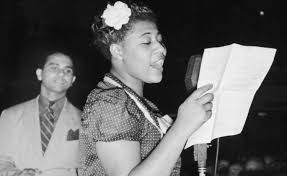
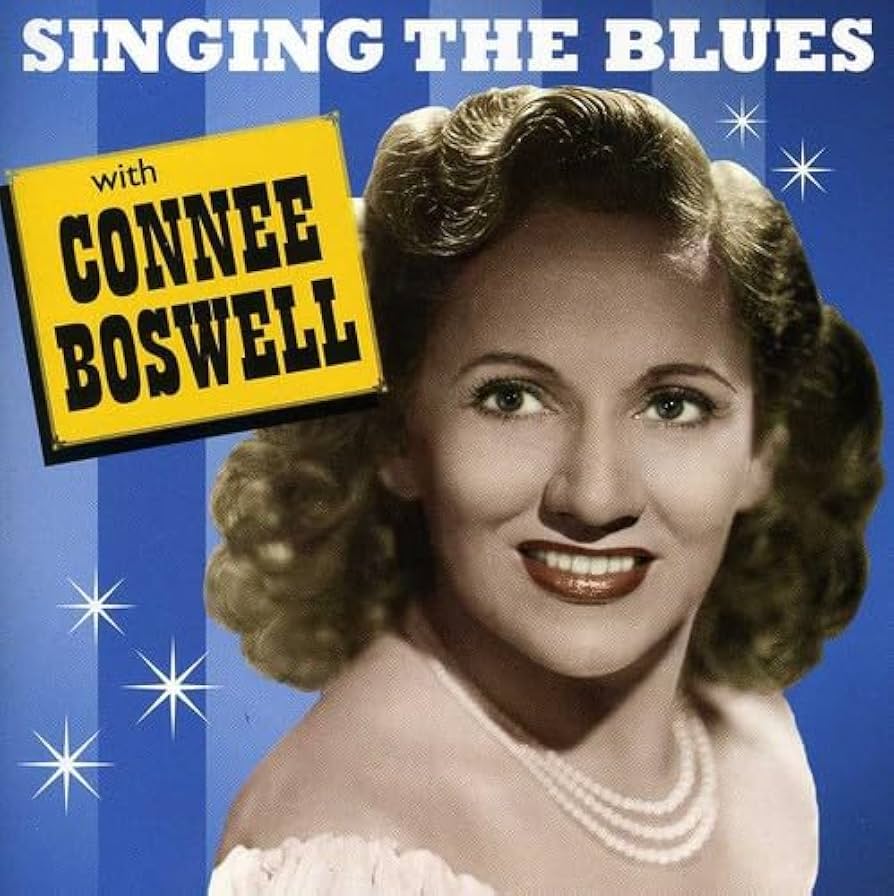
When she gave her singing debut in 1934 at the Apollo theatre, she was disheveled and unkempt. Although she won first place, she was not allowed to claim the entirety of the prize which included singing at the Apollo for a week owing to her appearance. Undeterred, Ella continued to audition for shows across the city and one in particular gave her a big break when she scored a chance to perform with the Tiny Bradshaw Band at the Harlem Opera. She met band leader Chuck Webb who was looking for a female lead for his band and when she auditioned for the role, he was swept away and impressed by her talent. It was then she began to record her early hits including “Love and Kisses” and “A-Tisket, A-Tasket.” When Webb died in 1939, Ella renamed the band to Ella and her Famous Orchestra, and they went on to record over 150 songs. Ella was particularly inspired by the Boswell Sisters, in particular lead singer Connee Boswell stating in an interview “My mother brought home one of her records, and I fell in love with it,” she recalled many years later. “I tried so hard to sound just like her.”
Ella went onto to perform with bands such as the Three Keys at Decca Records. She soon met and married her first husband, Benny Kornegay, a convicted drug dealer. The marriage was annulled after just two years. In 1947 she married bassist Ray Brown and together they shared a son, Ray Brown Jnr. Her second marriage collapsed due largely to scheduling conflicts brought about by differing career paths, however the two remained friends and occasionally worked together. While Ella’s personal life was sometimes tumultuous, she experienced a meteoric rise to fame and performed on countless shows including the Ed Sullivan Show, the Bing Crosby and the Frank Sinatra Shows.
“Some kids in Italy call me ‘Mama Jazz; I thought that was so cute. As long as they don’t call me ‘Grandma Jazz.’
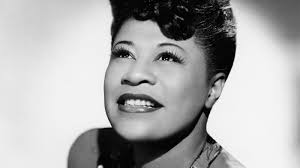
Some of Ella’s most famous songs include duets with Louis Armstrong such as “Dream a Little Dream of Me,” “Cheek to Cheek” and “Moonlight in Vermont.” But she also enjoyed solo hits including “It’s only a Paper Moon,” “Cry me a River” and “You Won’t be Satisfied (Until you Break my Heart).”

Ella contributed to the development of Bebop Jazz, a sub-genre of jazz which proliferated in the 1940s across the United States. Bebop is characterized, inter alia, by instrumental virtuosity, rapid key changes and complex harmonic progressions. Bebop pushed the limits of the genre beyond “swing music.” It was “musician’s music” and required careful listening and an appreciation of the artform itself. Other influential Bebop-ers include Charles Parker, Dizzy Gillespie, James Moody and Buddy Defranco.
Below are some of Ella’s iconic performances:
Ella was garlanded with many accolades and honorary doctorates including from Yale and Dartmouth.
Unfortunately, the First Lady of Song experienced a significant decline in her health as she began to age and was diagnosed with diabetes, culminating in the need for the amputation of both her legs. In 1996, after experiencing a stroke, she died in Beverly Hills, California age 79. Her legacy and irresistible style continue to influence the genre to this day with contemporary artists such as Lana Del Rey citing her as an important inspiration.
Feeling Good: Nina Simone
Born in 1933 as Eunice Kathleen Waymon in Tryon, North Carolina, Nina Simone was both beguiling and spellbinding (a nod to her song and autobiography of the same title ‘I Put a Spell on You‘).
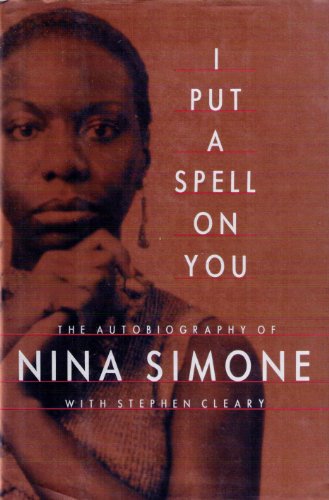
Eunice was a classically trained pianist and at just age 5 she became the Official Pianist for the Methodist Church of Tryon, and she attended a local school for black children called the Tyron Colored School. Simone and two of her sisters formed a little group named the Waymon Sisters and by this time her talent was being more widely recognized and her mother’s employer, Mrs. Miller, paid for the first year of her piano tuition with Mrs. Muriel Mazzonovich “Miss Mazzy.” Mrs. Mazzy, a petite English woman who had married a Russian painter, proved to be very influential in Eunice’s musical education. Miss Mazzy championed her young pupil and encouraged her to excel at time when black talent was often overlooked.
Being a child prodigy was however not easy and the young Eunice often lamented the loneliness and isolation of her existence.
Miss Mazzy:

And a more artistic drawing of Miss Mazzy:

After graduating from school in 1950, Eunice attended the prestigious music school, Juilliard but had to drop out due to the financial strain of expensive tuition fees. She then auditioned for the Curtis Music Institute in Philadelphia but was rejected and she long believed racial reasons underscored this decision. Though disheartened, she continued to take private lessons and made a few early recordings.
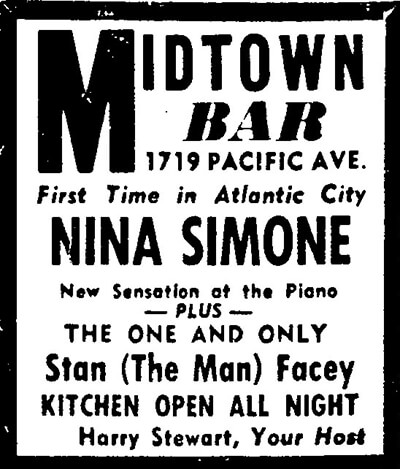
‘Nina Simone’ was born in Midtown Bar in Atlantic City when she made her debut under her stage name beginning in the Summer of 1954.
Simone released her first album in 1959 entitled ‘Little Girl Blue’ and the cover shots were filmed in various locations around Central Park.

Throughout her career, Simone was the quintessential storyteller and an iconic voice during the civil rights movement with songs including ‘Mississippi Goddamn’ about the terrible lynchings in the South, ‘Why? The King of Love is Dead’ about the frightful assassination of Martin Luther King and ‘To be Young, Gifted and Black.’ All of these songs in their own way explore the painful shackles of racism in America and the ramifications of diabolical Jim Crowe era policies including segregation and other harmful practices.
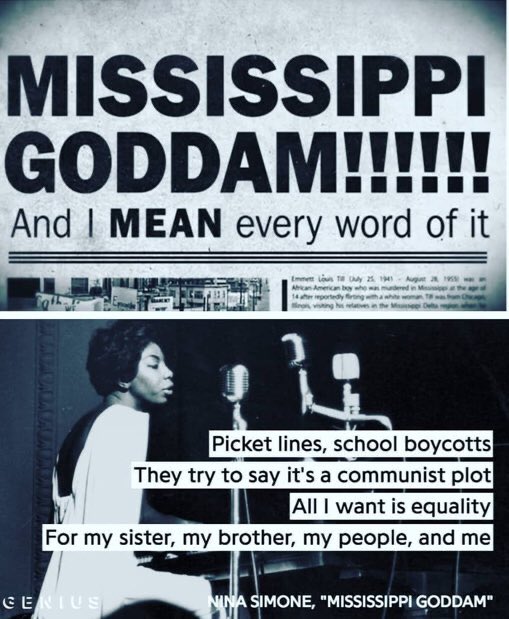
Simone, who dabbled in blues, jazz, folk and intermixed her classical training into each, also enjoyed singing romantic songs, including ‘Feeling Good’ and ‘I Want a Little Sugar in my Bowl’ which features very seductive lyrics including:
I want a little sugar in my bowl
I want a little sweetness down in my soul
I could stand some lovin’, oh so bad
Feel so funny, I feel so sadI want a little steam on my clothes
Maybe I could fix things up so they’ll go
What’s the matter daddy, come on, save my soulI need some sugar in my bowl, I ain’t foolin’
I want some sugar in my bowl

Unfortunately, life was not all smooth sailing for Nina, and she was plagued with bouts of mental illness. In the late 80s she was diagnosed with bipolar and was known for her short temper and outbursts including firing a gun at a record label executive that she believed was purloining her royalties. She remarked that, “I tried to kill him” but “missed.” Her brutal battle with mental illness is documented in Alan Light’s 2016 heart wrenching film, What Happened Miss Simone? which explores the burden of Nina’s brilliance and how in many ways the gravity of her talent was ultimately a curse.

Simone died aged 70 in 2003 in France after a prolonged battle with cancer but her indelible impact on music remains unquestionable long after the final curtain call.
Lady Sings the Blues – Billie Holiday
No article about the iconoclasts of jazz would be complete without mention of songstress Billie Holiday. Nicknamed ‘Lady Day’ by her music partner, saxophonist, Lester Young, Holiday made a significant and irrevocable contribution to the world of jazz. Born Eleanora Holiday in Philadelphia, Pennsylvania in 1915, Holiday would become one of the most recognizable and iconic jazz artists of the century. Her father, Clarence Holiday, a jazz guitarist in the Fletcher Henderson band, often dodged the shackles of parenthood to take to the road touring with the band. Eleanora would later adopt the stage name “Billie Holiday” after actress Billie Dove.

Billie spent most of her childhood in Baltimore, Maryland but in 1928 she moved to New York city and struggled to find gainful employment until she took up a job as a singer in a Harlem nightclub. She had no formal vocal training but had an instinctive gift for jazz and blues. Although less technical than other jazz musicians such as Sarah Vaughan and Ella Fitzgerald, Billie’s artistry was often characterized as being infused by deep visceral emotion which drew people to her. Indeed, her husky style and resonate intonations were unmistakable.
She gained initial stardom through several recordings with Teddy Wilson and members of Count Bassie’s band. Teddy and Billie recorded “What a little Moonlight Can Do” which was an overnight hit and garnered her significant praise and attention in the Big Apple.

In 1947 she was arrested for narcotics violations and yet ten days after her release she played to a full house at New York’s Carnegie Hall despite no longer being able to acquire a cabaret license.
Perhaps one of her most important songs in terms of its contribution to the civil rights movement was ‘Strange Fruit’ based on a poem by Abel Meeropol and written about the lynchings. Meeropol was inspired to pen the poem after he saw a graphic image of a black person hanging dead from a tree. Indeed, the song is a haunting ballad about the ‘strange fruit’ hanging from the ‘popular trees’ and the ‘black bodies’ that were left ‘swinging in the southern breeze.’ The song reminded Holiday of her own life story because her father perished at just 39 years old after being refused treatment at a local hospital because he was black.
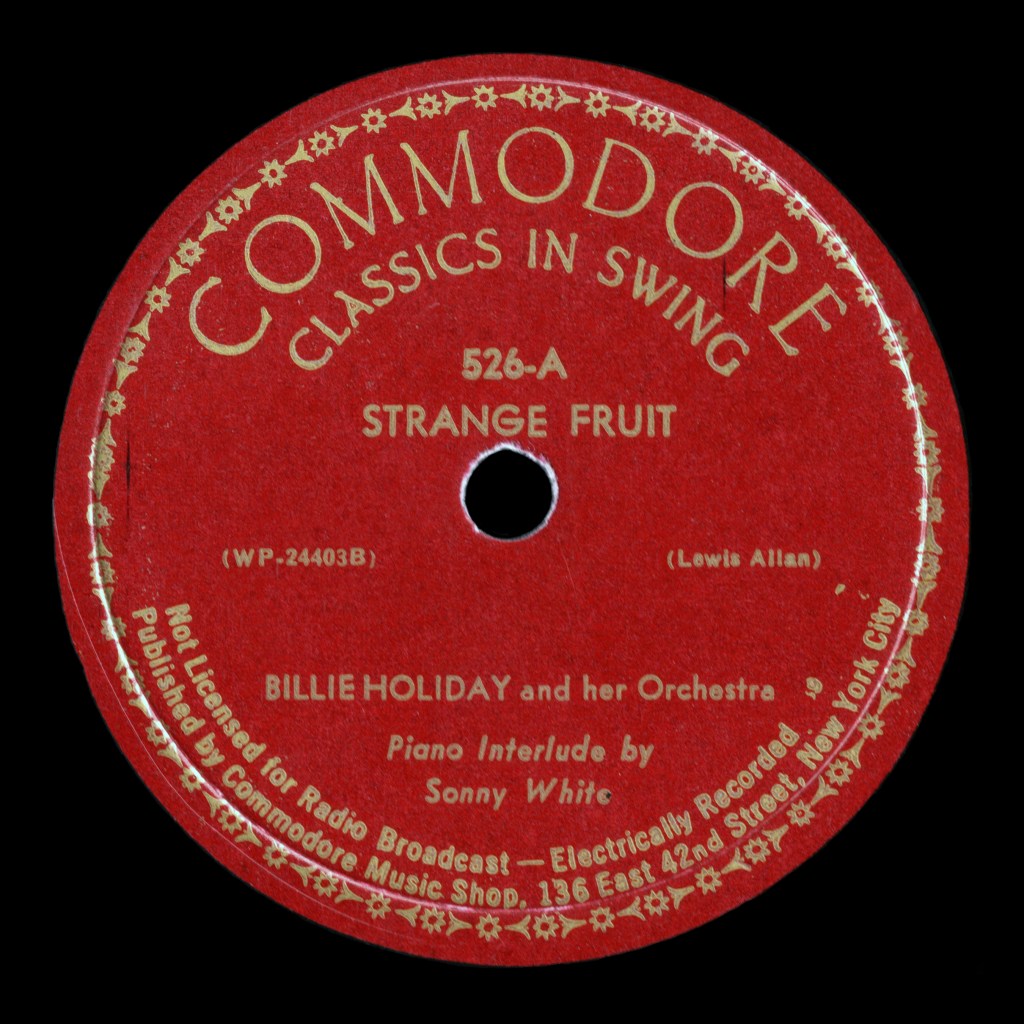
‘Strange Fruit’ quickly became a protest song and an anti-lynching anthem and at the time it stirred up rage and controversy with the establishment. It put the Federal Bureau of Narcotics on her scent in an endeavor to close her down, but a defiant Billie continued to sing.
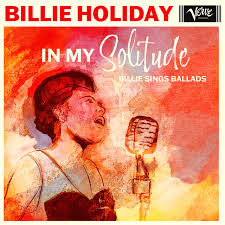
Other hits included ‘I’ll be seeing you’ ‘Blue Moon’ ‘In My Solitude’ and ‘Autumn in New York.’
Billie’s life was marred with tragedy and trauma including an incident of attempted rape by a neighbor when she was just 12 years old. Growing up she also had to run errands for a local brothel for a time and she also cleaned local houses, spending long days scrubbing marble floors. Billie battled mental demons throughout her life and turned to alcohol and narcotics in an attempt to dull the pain. After years of addiction, she was diagnosed with cirrhosis of the liver and later with heart disease. While hospitalized, police attended to place her under house arrest for possession of narcotics. Sadly, and before she could face any court of law in the land, she succumbed to her health battles at only 44 years of age. Gilbert Millstein of the New York Times wrote a poignant obituary at the time:
Billie Holiday died in Metropolitan Hospital, New York, on Friday, July 17, 1959, in the bed in which she had been arrested for illegal possession of narcotics a little more than a month before, as she lay mortally ill; in the room from which a police guard had been removed – by court order – only a few hours before her death. She had been strikingly beautiful, but her talent was wasted. The worms of every kind of excess – drugs were only one – had eaten her. The likelihood exists that among the last thoughts of this cynical, sentimental, profane, generous and greatly talented woman of 44 was the belief that she was to be arraigned the following morning. She would have been, eventually, although possibly not that quickly. In any case, she removed herself finally from the jurisdiction of any court here below
Following her death, she was portrayed by the marvelous Diana Ross in Lady Sings the Blues, a film that was nominated for five Academy Awards.
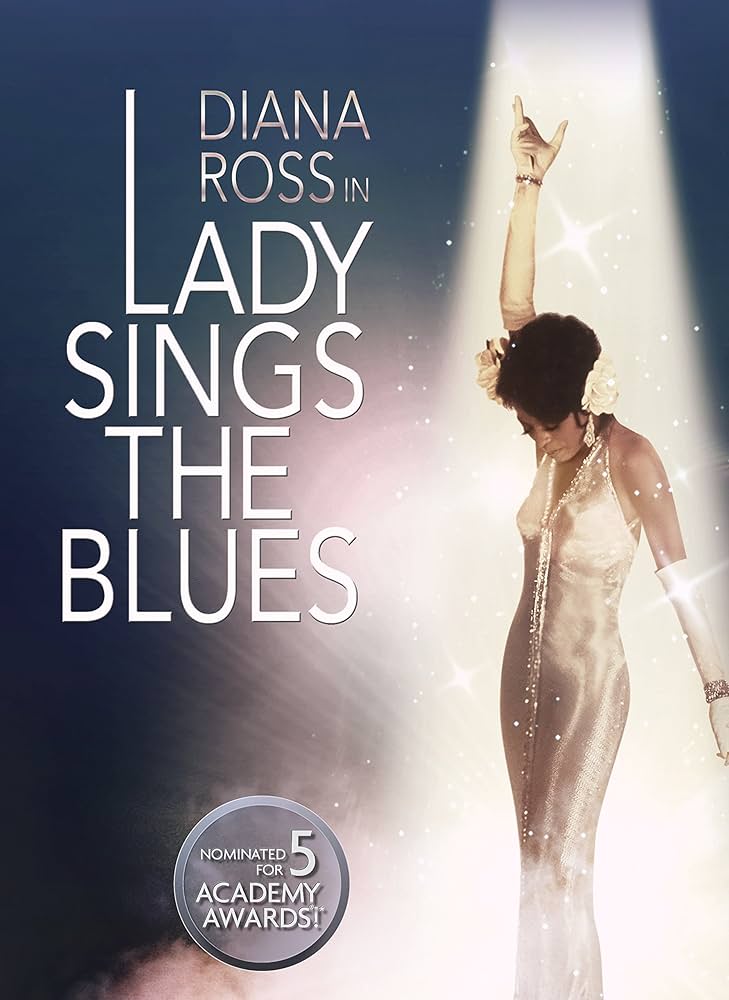
Like the other artists explored in the piece, Billie’s music continues to influence the collective musical psyche.
Smooth Operator, Sade
While the article has hitherto focused on earlier jazz musicians, Sade Adu is a more recent jazz queen who, during the 80s and 90s, forged a reputation as a formidable musical force. She was born in Nigeria in 1959 as Helen Folsade Adu (‘Folsade meaning ‘Crowned with Wealth’ in Yoruba, a language spoken across several West African nations). Her father, Adebisi Adu, was a Nigerian lecturer of economics and her mother, Anne Hayes, was an English nurse. Her parents split when she was four years old and she moved to live with her maternal grandparents in Colchester, Essex. At eleven she moved to Holland-on-Sea with her mother and, after graduating High School, she enrolled in a fashion design course at Saint Martin’s School of Art in London.
After she completed the course, she did a few modelling gigs before singing back up for British band Pride. She began writing songs with Stuart Matthewman, Pride’s saxophonist and they began doing sets together at Pride events. It was however her solo performance of “Smooth Operator” that caught the attention of record labels. Matthewman and Sade split from Pride (joined by keyboardist Andrew Hale, bassist Paul Denman and drummer Paul Cook) to form the band, Sade. Her burgeoning popularity led to her being signed by Epic in 1984 and her debut album, Diamond Life, reached number two on the UK Album Charts.
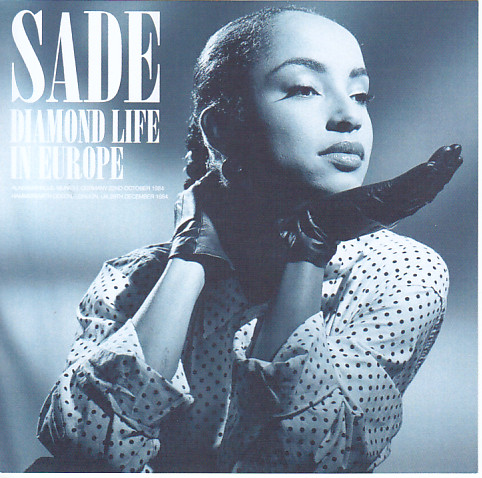
The albums third song, ‘Smooth Operator’ was an instant hit and garlanded countless awards around the world.
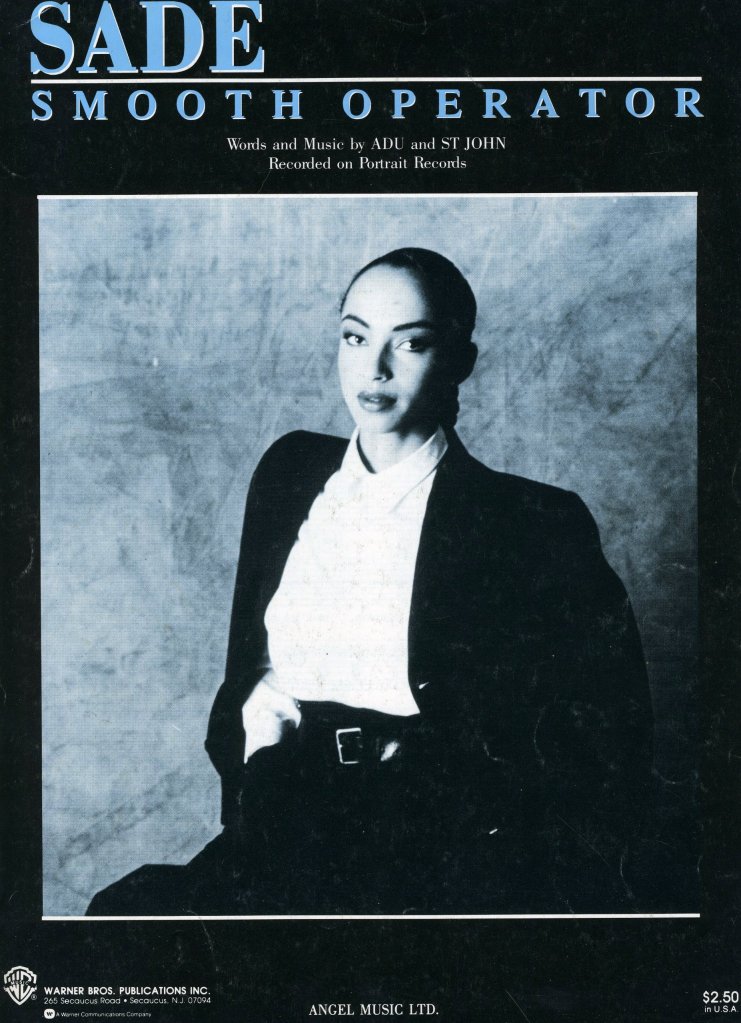
Other hits would follow including ‘Your Love is King’ ‘Is it a Crime?’ and ‘Sweetest Taboo’
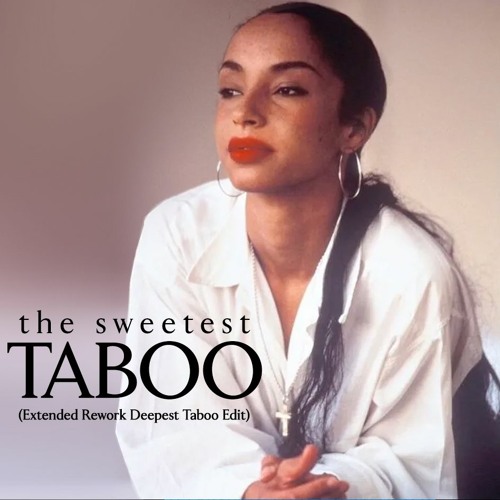
The BBC compared her to Billie Holiday, characterizing her vocals as “husky and restrained” and stating that she is “sufficiently soulful and jazzy yet poppy, funky yet easy listening, to appeal to fans of all those genres.”
Below are a few of her greatest hits:
In 2005 Sade relocated to Gloucestershire and bought a dilapidated cottage which she renovated. She prefers to live a quiet and reclusive life these days and barely enters the spotlight. Nevertheless, her remarkable talent has inspired other artists including Missy Elliot, Beyonce and the late Aliyaah.
Other enchanting Jazz Queens include Dakota Stanton, Sarah Vaughan and Dinah Washington but these artists may be explored in more detail in a later Sleuth Hound piece. For now, we hope you have enjoyed this piece on these four remarkable and unforgettable songstresses who through their artistry have each changed the face of jazz in their own unique ways and brought jazz into the homes of countless people across the world.
 Sleuth Hound
Leave a comment